Stability: The Underrated Superpower Behind Strength
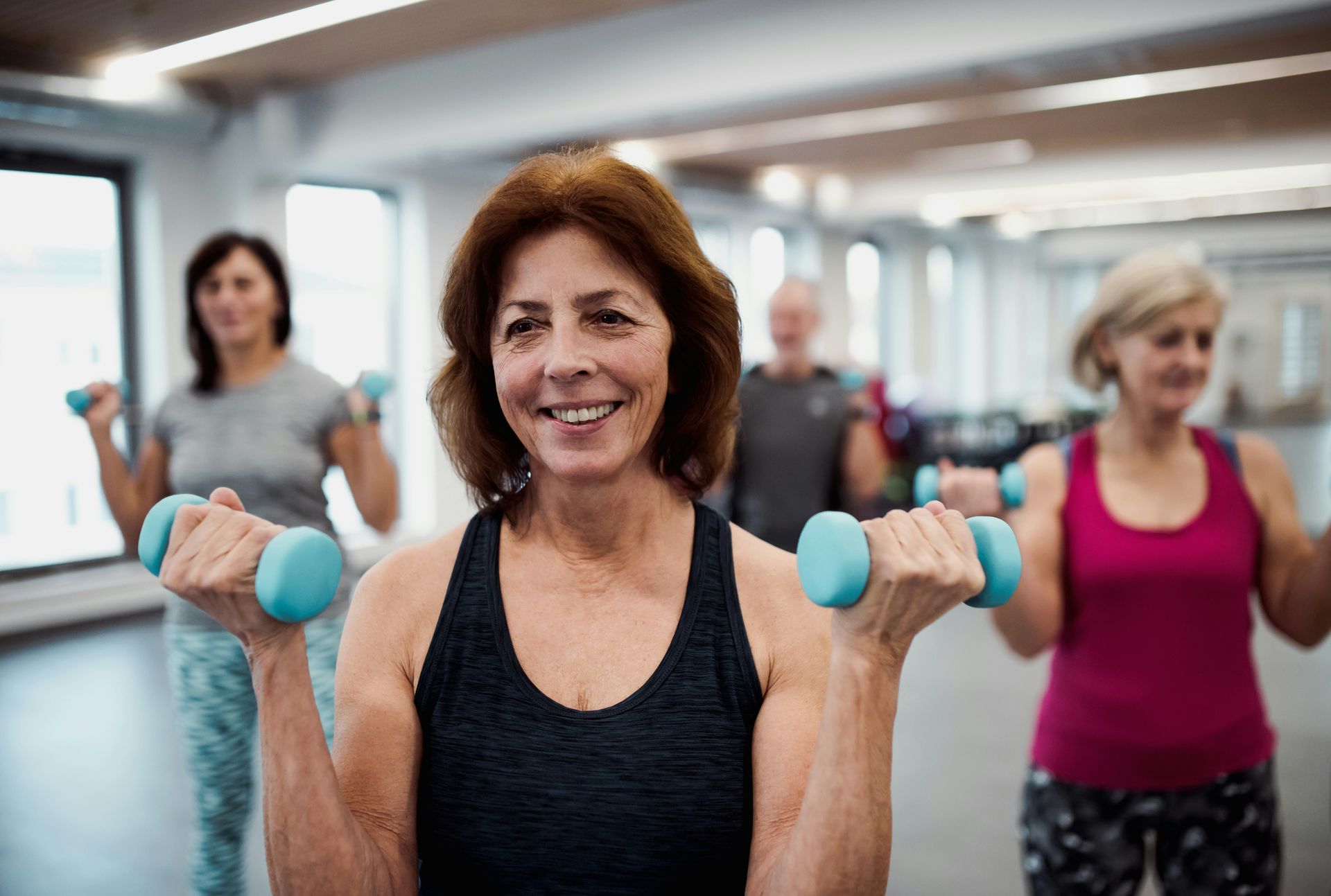
If you’ve ever watched someone squat heavy, move with total control, and make it look almost cinematic, like they could have slowed down to slow mo and still looked great. You may want to know the secret. The ability to stay steady, powerful, and coordinated even when the load gets spicy or the movement gets unpredictable, is Stability.
What Stability Really Means
Stability is your body’s capacity to maintain alignment and control of joints and posture while producing or resisting force. Think of it as your favourite Walkman or CD player of your movement system, quiet, reliable, and essential.
It requires coordinated work from your core, hips, and smaller stabilising muscles, all working together to keep your spine and joints in efficient, safe positions while the larger muscles generate power.
Performance: More Power, More Precision
Stability doesn’t just “keep you safe”; it makes you better, stronger, faster, and more efficient.
Research shows that improving core and neuromuscular control enhances force transfer throughout the body. This translates into measurable improvements in sprinting, jumping, throwing, hitting, and overall strength capacity. In real life, that means carrying groceries with ease, picking up little humans safely, and being able to lift, move and avoid falls.
Well-designed strength training can significantly improve dynamic balance and mobility, especially when exercises inherently challenge stability through free weights and unilateral variations.
Injury Prevention: The Body’s Version of 80s Hardware Protection
Stability training works like those protective cases we used to carry our cassette tapes or CDs in: it keeps everything running smoothly and drastically reduces the chance of something going wrong.
Neuromuscular and balance programs can reduce ankle and knee injuries by up to 40% in active populations. Consistent balance training improves both static and dynamic control, while enhancing lower-limb strength and postural control. These benefits really matter whether you want to improve your golf game or simply navigate daily life with confidence.
Load Tolerance and Technique
When the weights get heavier, or fatigue creeps in, stability is what keeps your technique from unravelling. A strong, responsive core lets you brace more effectively, control your joints under speed or load, and react to unexpected perturbations, whether that’s lifting a barbell or weight or simply managing an uneven step as you're walking.
Studies show that strengthening deep trunk muscles improves core stability, spinal stiffness, and rapid postural adjustments. In practice, this means cleaner lifts, safer progress, and more strength that you can actually use.
How to Build Stability Into Your Training
In the studio in our Lift - Strength and Stability sessions, we include stability work. These principles are mixed into your warm-ups, your unilateral work.
During our warm-ups
- Single-leg balance with reaches
- Controlled landing mechanics
- Light core activation
During our strength work.
- Include at least one unilateral lower-body lift
- Add one anti-rotation or anti-extension core movement
Accessory work (smaller muscles)
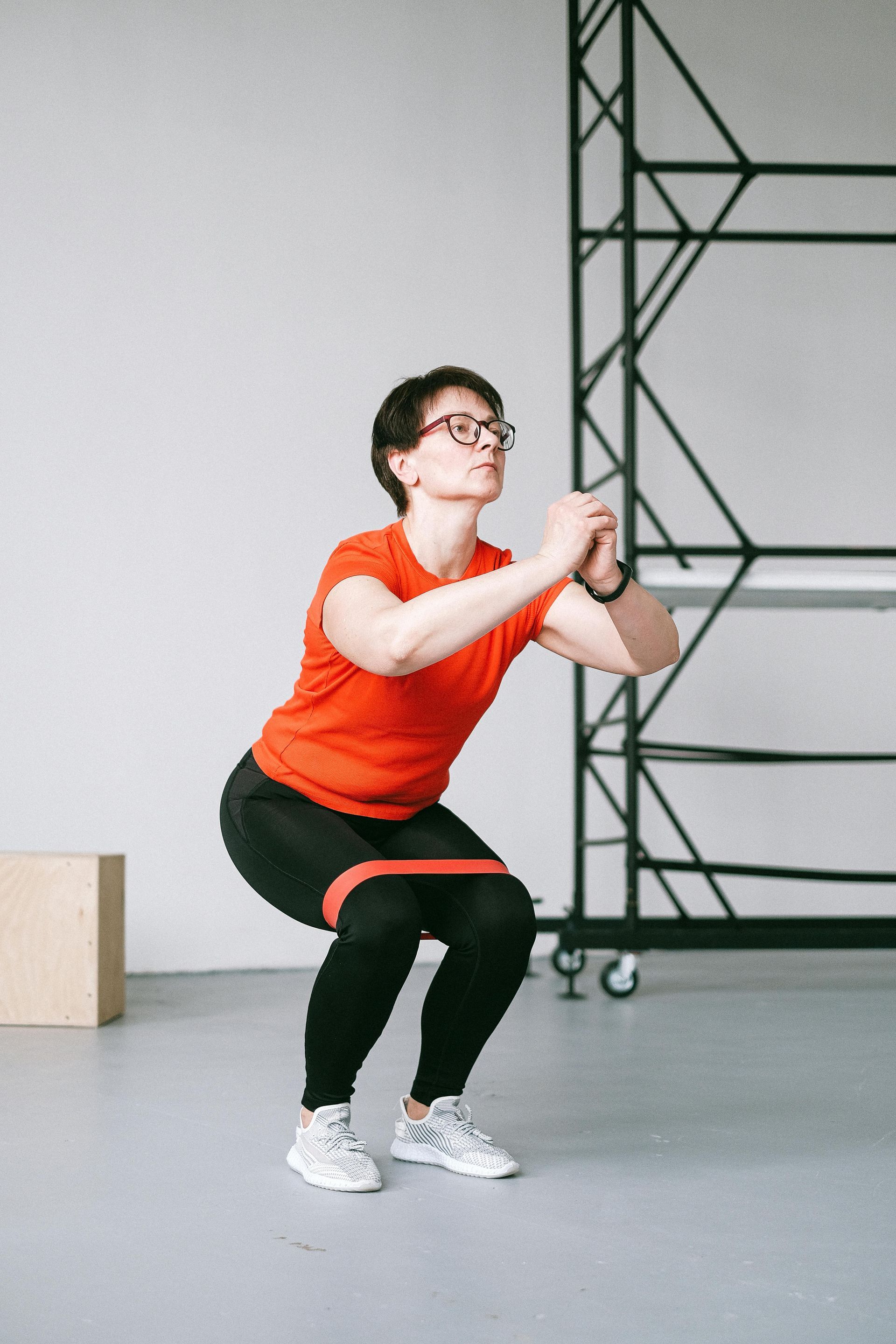
- Hip stabilisation drills, such as monster walks or hip aeroplanes
- Single-leg RDLs
- Copenhagen or side plank variations
- Challenging but safe balance tasks
Research indicates that short, frequent bouts totalling 30–60 minutes per week are particularly effective in reducing injury risk
Why Every Lifter Should Care
Whether your goal is sport performance, healthy aging, or simply lifting heavier with confidence, stability is the bridge between raw strength and real-world movement quality. It improves balance, enhances force transfer, reduces injury risk, and enhances your capacity to move well under load.
Stability turns isolated strength into integrated, reliable, and resilient movement, meaning less wobble, better positions, and more of your strength available where it counts most.